
Building a Healthier Rowing Culture
Aberdeen Schools Rowing Association & Scottish Rowing
When Scottish Rowing approached us about supporting Aberdeen Schools Rowing Association (ASRA), the goal wasn’t simply to deliver a workshop. It was to help the club pause, reflect and intentionally shape the culture it wants to be known for.
This wasn’t about compliance.
It was about culture.
Starting with Listening
Before stepping into the club, we hosted an online working group with ASRA leadership.
This allowed us to understand the club’s context, strengths and dynamics and to design delivery that felt relevant and grounded rather than generic.
From the outset, this was positioned as a collaborative process.
In the Room
“The work that ASRA has completed over the last 6 - 12 months with the structured support from the Kyniska Advocacy has been transformational in helping us develop and embed a culture aligned with the needs and input from athletes, coaches, parents committee and volunteers, it has enabled us to take positive steps in creating a healthier, safer and more inclusive environment. ”
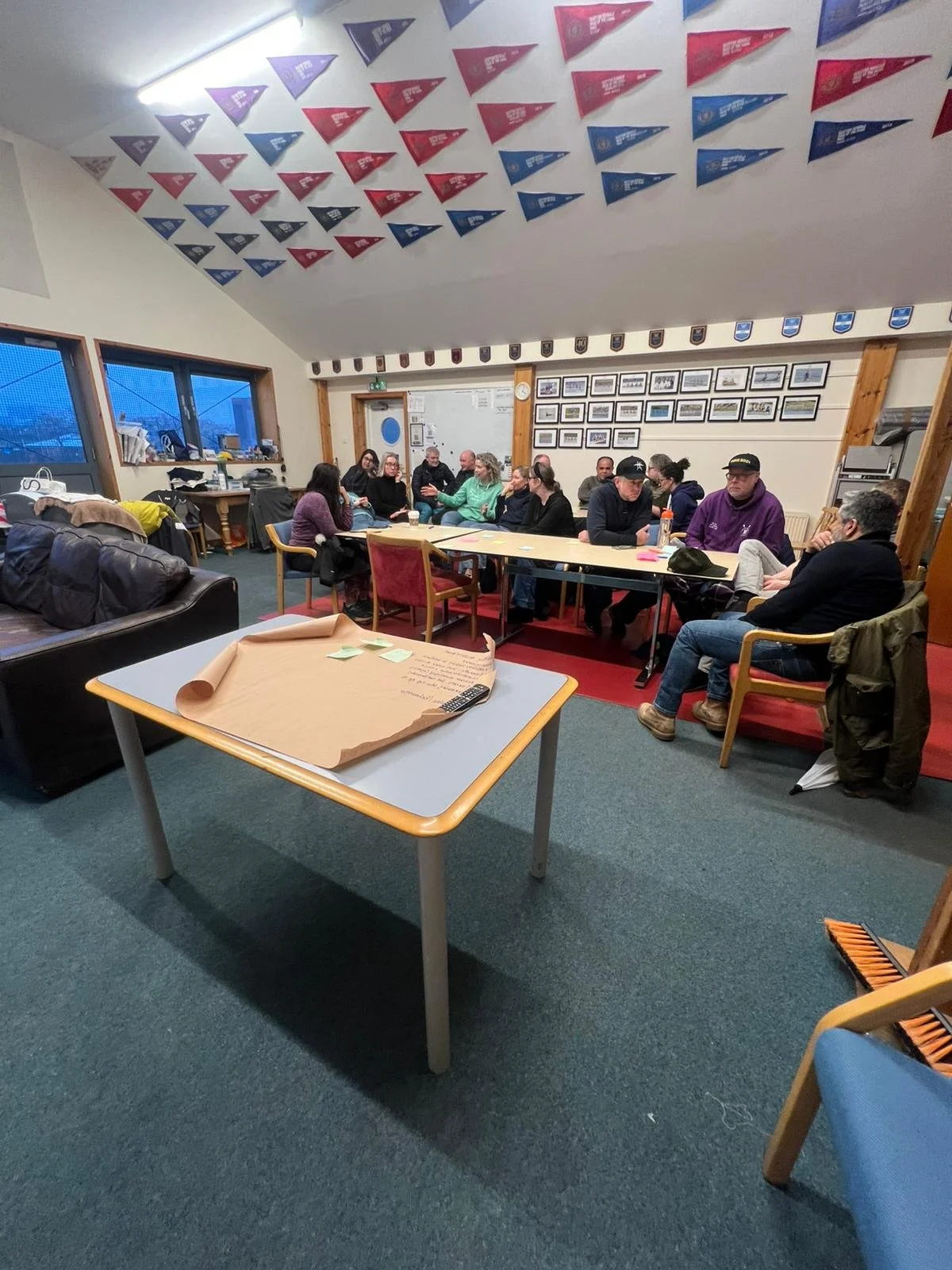
We delivered Creating Healthier Sports Environments in person across four separate groups:
Coaches, Trustees and Committee
Under-15 Athletes
Under-19 Athletes
Parents
Creating separate spaces meant each group could speak openly, while allowing shared themes to emerge across the whole club.
We asked two simple but powerful questions:
What does a healthy rowing environment look and feel like?
What value or behaviour should this club commit to?
The answers were thoughtful, aligned and, in many cases, strikingly mature.
Young athletes spoke about psychological safety.
Parents spoke about transparency and trust.
Coaches spoke about structure and responsibility.
Across every group, the same message surfaced: performance matters but not at the expense of respect, inclusion and wellbeing.
From Conversation to Commitment
This wasn’t a one-off session.
Following delivery, we produced:
A detailed Engagement Report
A co-created set of Club Values
A formal Culture Code (policy version)
A Culture Code flyer for display in the club hub
Every output was built directly from participant voice.
The result wasn’t something imposed on ASRA, it was something shaped by them.
What Emerged
Six clear cultural pillars surfaced across all cohorts:
Psychological safety
Respect and accountability
Inclusion and belonging
Transparent leadership
Healthy, development-focused performance
Community and connection
Perhaps most powerfully, athletes asked for proactive mental health check-ins, not just support when someone is visibly struggling.
They weren’t asking for less ambition.
They were asking for relational structure: clear standards, open dialogue and leadership they can trust.
The Impact
Through this process, ASRA now has:
A shared language for culture
Clear behavioural commitments
Visible standards embedded across the club
A foundation for preventative safeguarding
This work demonstrates what it looks like when a national governing body and a local club proactively invest in culture to transparently tackle the problems they’ve faced.
It shows that healthier environments aren’t accidental. They are intentional.
““This work has been driven by ASRA’s willingness to listen, reflect and involve their whole community in shaping their future.
“Kyniska Advocacy brought an approach grounded in lived experience and participant voice. By working across athletes, coaches, parents and volunteers, it created space for open, honest dialogue and helped the club turn those insights into clear, meaningful commitments.
“Scottish Rowing is encouraged by the progress made through the partnership between ASRA and Kyniska, and the positive steps taken to create a healthier, safer and more inclusive environment.””